


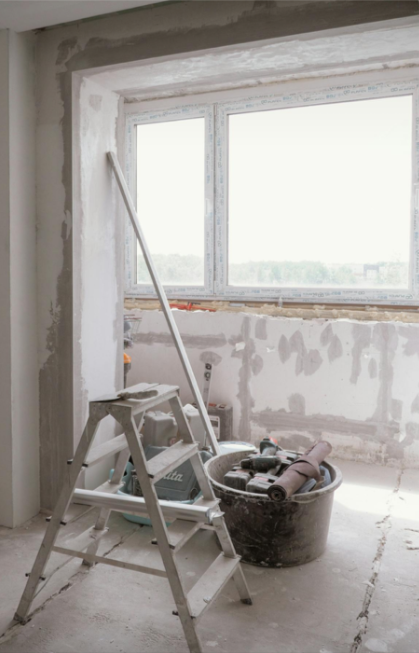
How long does drywall repair take? The answer depends on the size of the damage, the number of coats needed, drywall drying time, sanding, texture matching, and whether paint is included. A tiny nail hole may be handled quickly, while a ceiling patch, water-damaged drywall repair, or full-room repair can take longer because each layer needs time to dry before the next step.
Mighty White Ceilings & Walls helps homeowners in Ventura, CA understand what to expect before scheduling drywall repair. If you are planning a repair before painting, selling, renting, or moving back into a room, this guide breaks down drywall repair time by project type so you can plan your schedule with less guesswork.
Get Drywall Repair in Ventura, CA Today!
Average Drywall Repair Timeline
Most drywall repair timelines depend on three things: the size of the repair, the finish level needed, and the drying time between coats. Even a small patch may need spackle or joint compound, sanding, texture matching, primer, and paint touch-up.
As a general guide:
- Small nail holes or dents: Same day in many cases.
- Small wall patch: Same day or next day, depending on drying time and paint.
- Medium drywall hole: Usually 1 to 2 days.
- Large wall patch: Usually 2 to 3 days, depending on coats and texture.
- Ceiling drywall repair: Often 1 to 3 days, depending on access, texture, and damage.
- Water-damaged drywall: Timeline varies because the leak source and moisture must be handled first.
- Full-room drywall repair: Several days or longer, depending on the number of repairs and finish work.
Drywall repair in Ventura, CA can also be affected by local conditions. Coastal humidity, rainy-season moisture, and ventilation can slow drying time, especially in bathrooms, laundry rooms, ceilings, and older homes.
Why Drywall Repair Takes More Than One Step
Drywall repair is not just filling a hole. A clean repair usually happens in layers. The wall or ceiling needs to be patched, coated, dried, sanded, textured, primed, and sometimes painted.
A typical repair may include:
- Inspecting the damaged area
- Removing loose drywall, torn paper, or old compound
- Adding backing or a patch when needed
- Applying tape and joint compound
- Waiting for drying time
- Applying additional coats of mud
- Sanding the repair smooth
- Matching wall or ceiling texture
- Priming the repair
- Painting or preparing the area for paint
The drying time is often what controls the schedule. Multi-coat mud work cannot be rushed without risking cracks, shrinking, visible edges, or a patch that shows after paint.
Same-Day Drywall Repair: When Is It Possible?
Same day drywall repair may be possible for small, simple patches where the drywall is dry, firm, and easy to access. Nail holes, small dents, minor anchor holes, and very small wall patches are the best candidates.
A same-day patch is more realistic when:
- The repair is small.
- The wall is not wet or soft.
- No major backing or replacement is needed.
- The texture is simple or minimal.
- The repair is in a low-visibility area.
- Quick-drying compound can be used appropriately.
Same-day repair is less likely for ceiling patches, water damage, large holes, repeated cracks, or textured walls that need careful blending. In those cases, rushing the job can leave the repair more visible than the original damage.
Small Nail Holes and Minor Dents
Typical timeline: Same day
Small nail holes, screw holes, pin holes, and minor dents are usually the fastest drywall repairs. These repairs may only need spackle, light sanding, primer, and touch-up paint.
The timeline depends on how many spots need repair and whether the paint blends well. One small hole in a low-visibility area may be quick. A room full of anchor holes from shelves, curtains, and artwork can take longer because each spot needs attention.
Even small repairs can show if primer is skipped or the surrounding wall has texture. For homes being prepared for sale, rental turnover, or repainting, it is often worth having small holes patched professionally before paint goes on.
Small Wall Patch
Typical timeline: Same day to 1 day
A small wall patch may be needed for a doorknob dent, small impact mark, or anchor damage. Depending on the size, the repair may use spackle, joint compound, or a mesh patch.
Small patches often take longer than homeowners expect because the repair has to dry before sanding and finishing. If the wall has orange peel or knockdown texture, texture matching adds another step.
A small patch may be completed the same day if the damage is simple and drying conditions are good. If the patch needs multiple coats or careful texture blending, it may take longer.
Medium Drywall Hole Repair
Typical timeline: 1 to 2 days
Medium drywall hole repair usually requires more than spackle. A hole from a doorknob, furniture impact, or small access opening may need backing, mesh, tape, joint compound, sanding, texture, and primer.
The repair may need more than one coat of joint compound. Each coat needs drying time before the next coat can be applied or sanded. If the compound is applied too thick, it can shrink, crack, or create a raised patch.
For a clean finish, the repair should be feathered beyond the damaged area so it blends into the surrounding wall. This extra finishing step is what helps the patch avoid a visible square or outline after painting.
Large Wall Patch or Replacing a Section of Drywall
Typical timeline: 2 to 3 days or more
Larger repairs take longer because they often require cutting out damaged drywall and installing a new piece. This type of repair is common after plumbing work, electrical access, impact damage, remodeling, or large wall openings.
A larger wall repair may include:
- Cutting the damaged area into a clean shape
- Adding backing or support
- Installing new drywall
- Taping seams
- Applying multi-coat mud
- Drying between coats
- Sanding smooth
- Matching texture
- Priming and preparing for paint
Large patches are harder to hide because the repair area is wider. The more visible the wall, the more important sanding, texture matching, and paint blending become.
Ceiling Drywall Repair
Typical timeline: 1 to 3 days, depending on damage
Ceiling drywall repair often takes longer than wall repair because the work is overhead and the finished surface is highly visible. Light moves across ceilings and can highlight ridges, flat spots, and texture differences.
Ceiling repairs may involve cracks, nail pops, holes, sagging drywall, water stains, or previous patch work. Small nail pops may be faster. A ceiling hole or sagging area may need backing, a new drywall patch, tape, joint compound, sanding, texture matching, and primer.
If the ceiling has water stains, the source of the leak must be fixed first. If the drywall is soft or sagging, replacement may be needed before finishing can begin.
[Link “ceiling drywall repair in Ventura” to the ceiling-patching section of the drywall repair pillar page]
Water-Damaged Drywall Repair
Typical timeline: Varies by moisture, leak source, and replacement needs
Water-damaged drywall has the most unpredictable timeline because the leak source must be fixed before drywall repair starts. If the wall or ceiling is still damp, patching it too soon can lead to stains, loose compound, bubbling paint, or mold concerns.
Water-damage repair may include:
- Finding and fixing the leak source
- Checking moisture levels
- Allowing the area to dry
- Removing soft or damaged drywall
- Installing new drywall when needed
- Taping and applying joint compound
- Sanding and texture matching
- Using stain-blocking primer
- Painting or preparing for paint
In Ventura, rainy-season roof leaks, bathroom humidity, coastal moisture, and plumbing repairs can all affect drying time. A small water stain on firm drywall may be faster to repair. Soft, sagging, or stained-through drywall usually takes longer because replacement is safer than surface patching.
Drywall Crack Repair
Typical timeline: Same day to 2 days
Drywall crack repair depends on the cause of the crack. A small cosmetic crack may be handled more quickly. A repeated crack, loose seam, or failed tape line may require drywall tape repair with tape and mud.
Crack repairs often need reinforcement. Simply filling the crack with spackle may not last if the wall is moving or the tape has failed. A stronger repair may involve removing loose tape, applying new tape, adding joint compound in thin layers, sanding, matching texture, and priming.
Cracks near doors, windows, ceilings, and older seams may take longer because the repair needs to be blended across a wider area.
Full-Room Drywall Repair
Typical timeline: Several days or longer
Full-room drywall repair may be needed before painting, after tenant turnover, during remodeling, or when a room has multiple holes, cracks, stains, and old patches. This type of project takes longer because the work is spread across several surfaces.
A full-room repair may include dozens of small patches, wall texture matching, ceiling patching, sanding, priming, and paint preparation. The schedule depends on how many repairs are needed and whether the walls have texture.
Even if each patch is small, the total drywall repair time can add up because every repair needs drying, sanding, and finishing. A professional can usually group repairs efficiently so the room is ready for paint as quickly as possible without rushing the finish.
What Affects Drywall Drying Time?
Drywall drying time depends on the material used, coat thickness, room temperature, humidity, airflow, and repair size. Thin coats dry faster and usually create a smoother finish. Thick coats take longer and are more likely to shrink or crack.
Drying time can be affected by:
- Humidity inside the home
- Ventilation and airflow
- Thickness of the joint compound
- Number of coats needed
- Whether the repair is on a wall or ceiling
- Moisture from a recent leak
- Temperature in the room
- Texture and primer requirements
Ventura’s coastal humidity can slow drying in some homes, especially near bathrooms, kitchens, laundry rooms, and beach-area properties. Good airflow helps, but each coat still needs enough time to set before sanding or recoating.
Why Multi-Coat Mud Takes Longer
Multi-coat mud work is common for medium and large drywall repairs. A single thick coat may seem faster, but it usually creates more problems. Thick compound can shrink, crack, dry unevenly, and require more sanding.
Professional drywall repair usually uses thinner coats. The first coat fills and reinforces. The next coat builds and feathers. The final coat smooths the surface and helps the repair blend into the surrounding wall.
This process takes more patience, but it creates a cleaner repair. When a patch is rushed, the outline may show after texture and paint.
Does Texture Matching Add Time?
Yes, texture matching can add time to a drywall repair. Orange peel, knockdown, smooth finish, and older textures all need different techniques. The texture has to match the pattern, thickness, and surrounding finish.
Texture matching may involve testing the texture, feathering beyond the patch, letting the texture dry, priming, and painting. Ceiling texture can take even longer because overhead work is harder and the repair is more visible.
If you want an invisible patch, texture matching should not be rushed. The drywall patch may be solid, but the job is not finished until the surface blends with the wall or ceiling around it.
Can You Paint the Same Day as Drywall Repair?
Sometimes, but not always. Painting the same day depends on the size of the repair, the compound used, drying conditions, and whether texture was applied.
Paint should not go on until the compound and texture are dry enough. Painting too soon can trap moisture, cause uneven sheen, or make the patch show. Primer is also important because fresh joint compound absorbs paint differently than the surrounding wall.
For small repairs, same-day primer and touch-up may be possible. For larger repairs, ceiling patches, water damage, or multi-coat mud work, painting may need to wait until the repair is fully dry and sanded.
How to Plan Your Schedule Before Drywall Repair
If you are booking drywall repair in Ventura, CA, it helps to plan around drying time and room access. Clear the area near the repair, move fragile items, and let the contractor know if the room needs to be ready for painting, guests, tenants, or a home listing.
Before scheduling, think about:
- How many damaged areas need repair
- Whether the damage is on walls or ceilings
- Whether water damage is involved
- Whether texture matching is needed
- Whether painting is part of the project
- Whether the repair must be finished before another contractor arrives
- Whether the room needs to remain usable during the repair
A clear schedule helps the repair go more smoothly and helps avoid rushing steps that need drying time.
Quick Timeline Guide by Project Type
| Project Type | Typical Timeline | What Affects the Schedule |
|---|---|---|
| Nail holes or small dents | Same day | Number of holes, primer, paint touch-up |
| Small wall patch | Same day to 1 day | Drying time, sanding, texture match |
| Medium hole repair | 1 to 2 days | Mesh, backing, multi-coat mud, texture |
| Large wall patch | 2 to 3 days or more | New drywall, tape, drying time, sanding |
| Ceiling drywall repair | 1 to 3 days | Overhead work, safety, texture, stains |
| Water-damaged drywall | Varies | Leak source, moisture, drying, replacement |
| Full-room repair | Several days or more | Number of repairs, texture, primer, paint prep |
When Fast Repair Is Not the Best Repair
It is understandable to want drywall repair finished quickly, especially before painting, listing a home, or turning over a rental. But fast is not always better if the repair needs drying time, multiple coats, texture matching, or moisture correction.
Rushed drywall repair can lead to:
- Cracking compound
- Visible patch edges
- Uneven sanding
- Texture mismatch
- Paint flashing
- Stains bleeding through
- Repairs that fail too soon
A good drywall repair schedule balances speed with quality. The goal is not just to close the hole. The goal is to make the wall or ceiling look clean and finished.
Frequently Asked Questions
How long does drywall repair take?
Drywall repair can take anywhere from the same day to several days, depending on the project type. Small nail holes may be repaired quickly, while large patches, ceiling repairs, water damage, and full-room repairs take longer because of drying time, sanding, texture matching, and primer.
Can drywall repair be done the same day?
Same day drywall repair may be possible for small patches, nail holes, minor dents, and simple wall damage. Larger holes, ceiling repairs, water damage, repeated cracks, and textured surfaces often need more time for multi-coat mud, drying, sanding, and finishing.
How long does drywall mud take to dry?
Drywall drying time depends on the compound, coat thickness, humidity, airflow, and temperature. Thin coats dry faster than thick coats. In Ventura homes with coastal humidity or poor ventilation, drying time may take longer.
Why does drywall repair need multiple coats?
Drywall repair often needs multiple coats because thin layers create a smoother, stronger repair. One thick coat can shrink, crack, dry unevenly, and leave a raised patch. Multi-coat mud helps the repair blend into the surrounding wall or ceiling.
How long does ceiling drywall repair take?
Ceiling drywall repair often takes 1 to 3 days, depending on the size of the damage, whether there is sagging or water staining, and whether texture matching is needed. Ceiling repairs usually take more care because the work is overhead and the finish is highly visible.
Book Drywall Repair With the Ventura Team
Whether you need a same-day patch, ceiling repair, texture matching, or a larger drywall repair in Ventura, CA, Mighty White Ceilings & Walls can help you understand the timeline before work begins. We repair holes, cracks, water damage, ceiling patches, and visible old repairs with careful sanding and clean finishing.
Book your drywall repair with Ventura’s local wall and ceiling team today.