


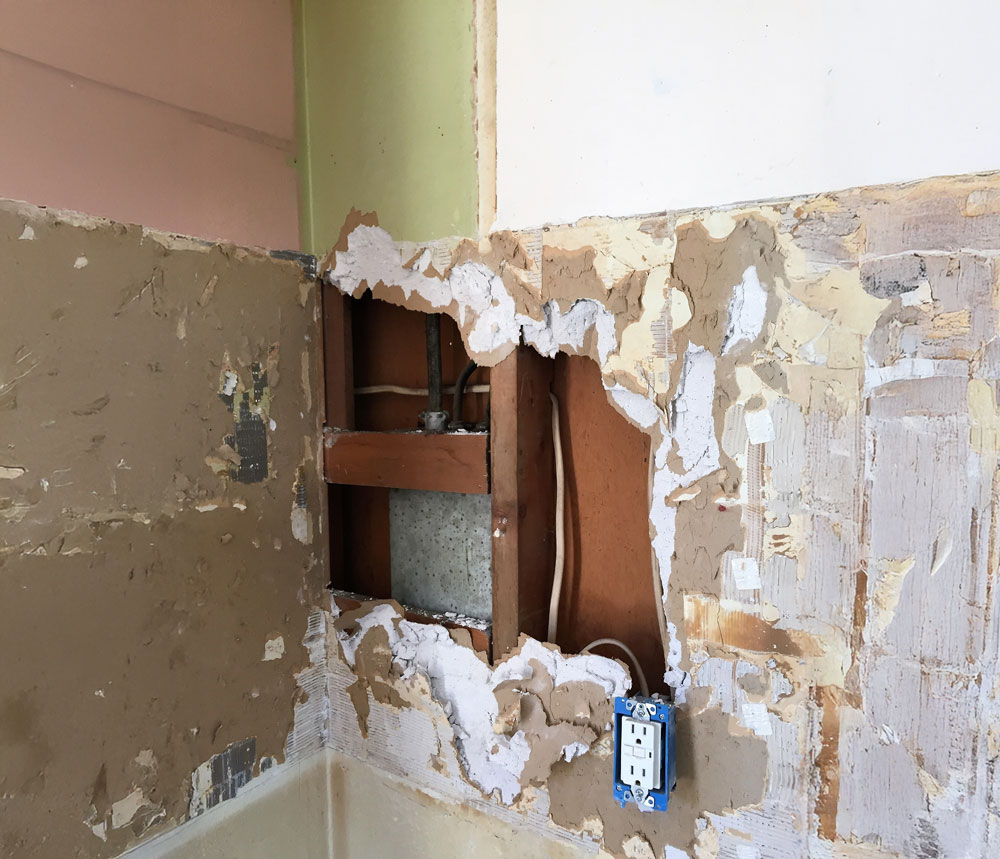
Not every damaged wall needs to be replaced. In many cases, drywall patching is enough to fix holes, dents, cracks, and small damaged sections. But some problems go beyond a basic drywall patch. If the wall is soft, sagging, mold-stained, water damaged, or structurally compromised, replacing a piece of drywall may be the better long-term repair.
This guide explains drywall repair vs replacement in a simple decision-guide format so you can understand what your wall may need before scheduling service. Mighty White Ceilings & Walls provides professional drywall patching in Ventura, CA for homeowners who want clean repairs, smooth finishing, and a seamless repair that blends with the surrounding wall or ceiling.
Get Drywall Repair in Ventura, CA Today!
Drywall Patching vs Replacement: The Simple Difference
Drywall patching means repairing the damaged area without removing a large section of the wall. It may involve filling small holes, applying a mesh patch, adding joint compound, sanding, matching texture, and preparing the surface for paint.
Drywall replacement means cutting out the damaged drywall and installing a new piece. This is usually needed when the existing drywall cannot support a clean repair or when the damage goes deeper than the surface.
The right choice depends on the damage assessment. A small dent from furniture may only need a wall patch repair. A large section damaged by water, impact, or structural movement may need replacement.
When Drywall Patching Is Usually Enough
Drywall patching is often the right choice when the damage is limited to a small area and the surrounding wall is still solid. If the drywall is firm, dry, and not crumbling, a professional patch can often restore the surface without removing a large section.
Drywall patching may work well for:
- Small nail holes or screw holes
- Minor dents and dings
- Doorknob holes
- Small impact damage
- Anchor holes from shelves or curtain rods
- Small access openings from plumbing or electrical work
- Minor cracks that are not caused by structural movement
A drywall patch is usually faster and more affordable than replacing a piece of drywall, especially when the damage is small and easy to access. The key is making sure the patch is properly supported, feathered, sanded, textured, and primed so it does not stand out after painting.
When Replacing a Piece of Drywall Makes More Sense
Replacing a piece of drywall is usually the better option when the damaged material is no longer stable. If the drywall is soft, swollen, moldy, sagging, broken into multiple pieces, or weakened by water, patching over it may only hide the problem for a short time.
Replacement may be needed for:
- Water-damaged drywall that is soft or stained
- Large holes that need new backing and support
- Drywall that crumbles when touched
- Ceiling drywall that is sagging
- Repeated cracking in the same area
- Damage from plumbing leaks or roof leaks
- Sections affected by mold or moisture
- Wall damage caused by movement or structural damage
Replacing a piece of drywall allows the damaged section to be removed completely. A new piece can then be installed, taped, finished, sanded, textured, and prepared for paint. For serious damage, replacement gives the repair a stronger foundation.
Decision Guide: Patch or Replace?
The easiest way to compare drywall repair vs replacement is to look at the condition of the wall around the damaged area. Hole size matters, but the surrounding drywall matters just as much.
| Damage Type | Best Option | Why |
|---|---|---|
| Small nail holes | Drywall patching | Simple surface repair is usually enough. |
| Small dents or scuffs | Drywall patching | The drywall is usually still firm and intact. |
| Doorknob hole | Usually patching | A mesh patch or backed patch can often repair the area. |
| Large impact hole | Patch or replacement | Depends on size, backing, and edge stability. |
| Soft drywall | Replacement | Soft drywall will not hold a lasting patch. |
| Water stains | Inspection first | The source of moisture must be fixed before repair. |
| Sagging ceiling drywall | Replacement | Sagging can mean the drywall has lost support. |
| Repeated cracks | Assessment needed | Cracks may point to movement, seams, or structural issues. |
Start With a Damage Assessment
A proper damage assessment helps determine whether drywall patching will be enough or whether replacement is the safer choice. A professional will look at more than the visible hole or crack.
The assessment usually includes:
- How large the damaged area is
- Whether the drywall is dry, firm, and stable
- Whether there are signs of water damage
- Whether the wall or ceiling is sagging
- Whether texture matching is needed
- Whether the repair is in a high-visibility area
- Whether there may be structural damage behind the wall
This step matters because patching over weak drywall can lead to cracking, bubbling, or another failed repair. On the other hand, replacing more drywall than necessary can add cost when a smaller wall patch repair would have worked.
Cost Comparison: Drywall Patching vs Replacement
Drywall patching usually costs less than replacement when the damage is small. It typically requires fewer materials and less removal work. A small drywall patch may only need compound, tape, mesh, sanding, texture, primer, and paint blending.
Replacing a piece of drywall usually costs more because it involves cutting out damaged material, adding support, installing new drywall, taping seams, applying multiple coats of joint compound, sanding, matching texture, and preparing the surface for paint.
That said, the lower-cost option is not always the better option. If the damaged drywall is soft, wet, unstable, or badly cracked, patching may fail. In that case, replacement can save money over time because it fixes the damaged section more completely.
Why Seamless Repair Takes More Than Filling the Hole
A seamless repair is about more than covering damage. The patched or replaced area needs to blend with the surrounding wall so it does not draw attention after painting.
Several details affect the final result:
- The patch must sit flush with the existing wall.
- Joint compound must be feathered beyond the repair area.
- Sanding must smooth the edges without damaging the surface.
- Texture must match the surrounding finish.
- Primer must be used so paint absorbs evenly.
- Touch-up paint must blend with the existing color and sheen.
This is where professional drywall patching can make a major difference. A repair that looks flat before paint can still show later if the texture, primer, or finish is not handled correctly.
What If the Damage Is From Water?
Water damage should always be handled carefully. If the drywall is stained but still firm, it may be possible to repair the surface after the moisture source is fixed. If the drywall is soft, swollen, crumbling, or sagging, replacement is usually the better choice.
Common sources of water damage in Ventura homes include roof leaks, bathroom moisture, plumbing repairs, laundry leaks, window leaks, and ceiling stains after storms. Before any drywall patch or replacement, the leak should be corrected and the area should be dry.
Patching over damp drywall can trap moisture and lead to stains, peeling paint, loose compound, or mold concerns. For water-damaged areas, the best first step is a professional inspection.
What If There Is Structural Damage?
Drywall is not structural in the same way framing is, but wall damage can reveal a deeper issue. Repeated cracks, shifting seams, bowed walls, or ceiling movement may point to settling, framing movement, moisture damage, or another problem behind the surface.
If structural damage is suspected, the drywall repair should not be treated as only a cosmetic patch. The underlying issue needs to be understood first. Once the cause is addressed, the wall can be patched or replaced properly.
For example, a crack caused by normal wear may only need drywall patching and finishing. A crack caused by movement may return if the underlying issue is not handled.
When a Drywall Patch Is the Best Choice
A drywall patch is the best choice when the repair area is small, the surrounding drywall is strong, and the damage does not involve moisture or movement. This is common for everyday wall damage in bedrooms, hallways, living rooms, garages, and rental properties.
Choose patching when:
- The hole is small to medium-sized.
- The edges are stable.
- The wall is dry.
- The drywall is not sagging or soft.
- The repair can be supported properly.
- You want a clean, cost-effective fix.
For many Ventura homeowners, drywall patching is the practical choice after minor impact damage, picture hanger removal, move-out repairs, or small access cuts from home repairs.
When Replacement Is the Better Choice
Replacement is the better choice when the drywall can no longer support a lasting repair. This is especially true for water-damaged walls and ceilings, large holes, sagging areas, or sections that have been repaired poorly in the past.
Choose replacement when:
- The drywall is wet, soft, or crumbling.
- The damaged section is too large for a stable patch.
- The ceiling is sagging.
- There are signs of mold or recurring stains.
- The wall has repeated cracks in the same spot.
- The previous repair failed.
Replacing a piece of drywall creates a clean, stable surface for finishing. It may take more work up front, but it often creates a better result when the existing material is too damaged to save.
Common Mistakes Homeowners Make
One common mistake is patching over damaged drywall without checking why the damage happened. This can hide moisture, weak material, or movement behind the wall.
Another mistake is using too much joint compound. Thick layers can shrink, crack, and create a raised patch that shows after paint. A better repair usually uses thin coats, proper drying time, and careful sanding.
Homeowners also often skip primer. Primer helps the repaired area absorb paint evenly. Without it, the patch can look dull, shiny, or slightly different from the surrounding wall.
Texture matching is another challenge. A smooth patch on a textured wall will usually show, even if the hole is fully covered.
Why Professional Patching Helps in Ventura Homes
Ventura homes can have a wide range of wall and ceiling finishes, from smooth drywall to orange peel, knockdown, and older textures. Natural light near the coast can also make wall imperfections more noticeable, especially in living rooms, hallways, kitchens, and ceilings.
Mighty White Ceilings & Walls understands how to assess the damage, choose the right repair method, and finish the surface so it blends as cleanly as possible. Whether your wall needs a simple patch or a new piece of drywall, the goal is a strong repair with a clean final appearance.
[Link “drywall repair and patching in Ventura, CA” to the drywall repair pillar page]
Frequently Asked Questions
Is drywall patching better than replacement?
Drywall patching is better when the damage is small, dry, and surrounded by stable drywall. Replacement is better when the drywall is soft, water damaged, sagging, crumbling, or too damaged to support a lasting patch.
How do I know if I need a drywall patch or a new piece of drywall?
You may only need a drywall patch if the area is small and firm. You may need a new piece of drywall if the damage is large, wet, soft, cracked, or unstable. A professional damage assessment can confirm the best option.
Can you patch over water-damaged drywall?
You should not patch over water-damaged drywall until the moisture source is fixed and the area is dry. If the drywall is soft, swollen, stained, or crumbling, replacing a piece of drywall is usually the better choice.
Will a drywall patch be visible after painting?
A drywall patch can be visible after painting if it is not sanded properly, if the texture does not match, or if primer is skipped. A seamless repair requires proper patching, feathering, sanding, texture blending, priming, and paint matching.
Is replacing drywall more expensive than patching?
Replacing drywall is usually more expensive than patching because it requires cutting out the damaged section, installing new drywall, taping, finishing, sanding, and blending the surface. However, replacement may be the better value when the existing drywall is too damaged to repair.
Need Help Deciding? Call Ventura’s Drywall Patching Pros
If you are not sure whether your wall needs drywall patching or replacement, Mighty White Ceilings & Walls can help. We will assess the damage, explain your options, and recommend the repair that makes the most sense for your wall, ceiling, and budget.
When the damage needs more than a quick patch, call Ventura’s drywall pros for clean, professional wall patch repair.