


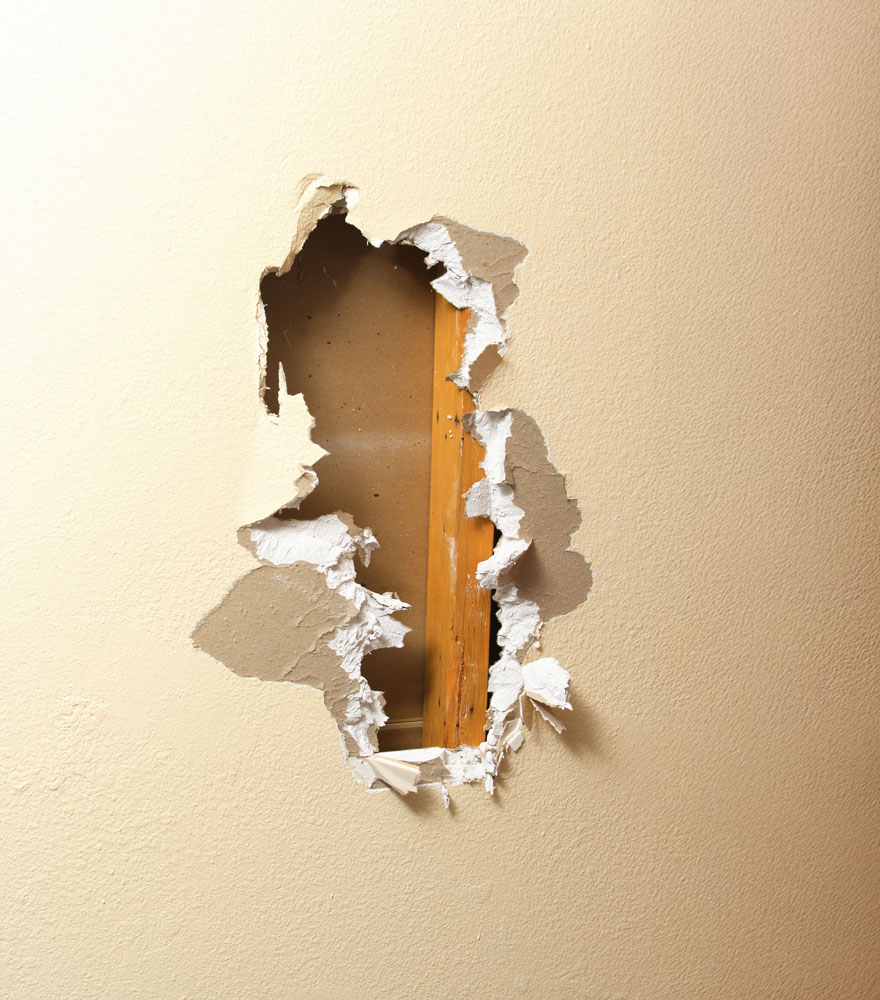
Learning how to patch a hole in drywall can save you time when the damage is small, clean, and easy to reach. A nail hole, small dent, or minor anchor mark may only need spackle, light sanding, and touch-up paint. But larger drywall hole repair is a different job. Once the damage involves a doorknob-sized hole, torn drywall paper, ceiling damage, water stains, or texture matching, the repair can quickly become more noticeable than the original problem.
This guide explains when you can patch drywall holes yourself and when it makes more sense to call a professional. Mighty White Ceilings & Walls helps homeowners in Ventura, CA repair wall and ceiling damage with clean patching, smooth finishing, and texture blending that looks like it belongs.
Get Drywall Repair in Ventura, CA Today!
Can You Patch a Hole in Drywall Yourself?
Yes, you can patch a hole in drywall yourself when the damage is small, shallow, and located in a low-visibility area. Small nail holes, screw holes, and tiny dents are often manageable with basic supplies from a hardware store.
The challenge is not always filling the hole. The hard part is making the repair disappear. Drywall patching involves more than applying compound and walking away. You need the right material, a flat finish, proper sanding, primer, paint blending, and sometimes texture matching.
If the wall has orange peel, knockdown, heavy texture, glossy paint, or strong natural light across the surface, even a small patch can stand out. That is one reason many Ventura homeowners call a pro for drywall hole repair in living rooms, hallways, rental units, and homes being prepared for sale.
Basic Supplies for Small Wall Hole Repair
For a small wall hole repair, you may need a few basic materials. The exact supplies depend on the size of the hole and the condition of the surrounding drywall.
- Spackle: Best for tiny nail holes, pin holes, and shallow dents.
- Joint compound: Better for larger patches, seams, and repairs that need feathering.
- Mesh patch: Helpful for small to medium holes where the surface needs support.
- Putty knife: Used to apply and smooth spackle or joint compound.
- Sanding sponge: Used to smooth the patch after it dries.
- Primer: Helps prevent dull spots or flashing after paint is applied.
- Touch-up paint: Needed to blend the repair with the surrounding wall.
For tiny holes, spackle may be enough. For anything larger, joint compound and a mesh patch usually create a stronger repair. The goal is to build a smooth surface that blends with the existing wall, not just cover the opening.
How to Patch a Small Hole in Drywall
Small holes are usually the easiest drywall repairs to handle yourself. This includes nail holes, picture hanger holes, small screw holes, and shallow dents from furniture or daily use.
- Clean the area. Remove loose dust, torn paper, or raised drywall edges.
- Apply spackle. Use a putty knife to press spackle into the hole.
- Smooth the surface. Scrape away extra material so the patch sits flush with the wall.
- Let it dry. Follow the product directions before sanding.
- Sand lightly. Use a sanding sponge to smooth the patch without damaging the surrounding paint.
- Prime the spot. Primer helps the repaired area accept paint evenly.
- Touch up paint. Blend the paint carefully so the patch does not flash or show through.
This type of repair works best on smooth walls or areas where the patch will not be viewed in direct light. If your wall has texture, you may need to recreate that texture before painting.
How to Repair a Medium Hole in Drywall
Medium drywall hole repair usually requires more than spackle. A doorknob dent, anchor damage, or small impact hole often needs a mesh patch or backing support so the repair does not crack or sink later.
Here is the basic process:
- Trim loose drywall. Remove broken pieces, torn paper, and crumbling edges.
- Apply a mesh patch. Place the patch over the hole so it fully covers the damaged area.
- Cover with joint compound. Apply a thin layer over the patch and feather it beyond the edges.
- Let it dry completely. Rushing this step can lead to cracking or uneven sanding.
- Add a second coat. Most medium patches need more than one coat to blend properly.
- Sand the area smooth. Avoid sanding too aggressively, which can expose the mesh.
- Prime and paint. Primer is important because joint compound absorbs paint differently than the existing wall.
Medium holes can be DIY-friendly, but only if the wall is flat, the hole is not too deep, and the finished look does not need to be perfect. If the patch is in a main room, hallway, or highly visible area, professional finishing may be worth it.
Why Large Drywall Holes Are Harder to Patch
Large holes are where DIY drywall repair often becomes frustrating. Once the hole is too big for spackle or a simple mesh patch, the repair usually needs a new piece of drywall, backing, tape, joint compound, sanding, texture, primer, and paint.
Large holes can happen after plumbing access, electrical work, furniture impact, door damage, or accidental wall openings. A strong patch needs support behind it. Without backing, the new drywall piece can move, crack, or separate from the surrounding wall.
The finishing work also becomes more important as the repair gets larger. A patch that is slightly raised, over-sanded, under-sanded, or poorly textured may show as a visible square after paint is applied. In Ventura homes with bright coastal light, these uneven areas can be especially noticeable.
When Spackle Is Enough
Spackle is useful for very small cosmetic repairs. It dries quickly, sands easily, and works well for nail holes, pin holes, and shallow surface dents.
Spackle is usually enough when:
- The hole is tiny.
- The drywall paper is not badly torn.
- The damage is shallow.
- The wall is smooth or lightly textured.
- The repair is in a low-visibility area.
Spackle is not the best choice for larger holes, damaged seams, deep gouges, soft drywall, ceiling cracks, or water-damaged areas. Using spackle on a repair that needs joint compound or new drywall can lead to cracking, shrinking, or a patch that stands out.
When to Use a Mesh Patch
A mesh patch can help bridge a small to medium hole when the surrounding drywall is still firm. It gives the joint compound something to hold onto and can be a good option for doorknob holes or small impact damage.
However, mesh patches have limits. If the hole is large, the drywall is soft, or the edges are broken and unstable, a mesh patch may not provide enough support. It can also create a raised area if too much compound is applied over it.
For the best result, the patch needs to be feathered out beyond the damaged area. That means spreading the compound wider than the mesh so the repair gradually blends into the wall. This step takes patience, especially if the wall will be painted with a satin, eggshell, or semi-gloss finish.
Why Sanding Makes or Breaks the Repair
Sanding is one of the most important steps when you patch drywall holes. Too little sanding leaves ridges and edges. Too much sanding can expose the patch, damage the drywall paper, or create a low spot.
The goal is to make the repair level with the surrounding surface. Run your hand over the patch after sanding. If you can feel a ridge, you will probably see it after painting. If the area feels hollow or dipped, it may need another thin coat of joint compound.
Good drywall repair is often about thin coats, careful drying, and controlled sanding. Rushing the process can leave a repair that looks fine before paint but becomes obvious afterward.
The Hardest Part: Matching Wall Texture
Texture matching is where many DIY drywall patches fall short. Ventura homes may have smooth walls, orange peel texture, knockdown texture, or older hand-applied finishes. Each one needs a different approach.
Even if the hole is patched correctly, the repair can still show if the texture does not match. A patch that is too smooth will stand out on a textured wall. A patch with too much texture can look like a raised spot. Ceiling texture can be even harder because overhead lighting and daylight reveal uneven areas.
If the repair is in a main living area, entryway, kitchen, bedroom, or ceiling, texture matching is one of the biggest reasons to hire a pro.
When to Hire a Pro for Drywall Hole Repair
You should hire a pro when the job is too large, too visible, or too risky to patch yourself. Professional drywall hole repair is also a smart choice when the damage may involve moisture, structural movement, or a previous repair that failed.
Call a drywall professional if:
- The hole is larger than a simple mesh patch can handle.
- The damaged area is on the ceiling.
- The drywall is soft, stained, or water damaged.
- The wall has orange peel, knockdown, or hard-to-match texture.
- The patch is in a high-visibility room.
- You need the repair finished before painting, selling, renting, or moving out.
- You tried a DIY patch and it still shows.
A professional can cut out damaged drywall, add backing, install a proper patch, tape the seams, apply joint compound in controlled layers, sand smooth, match texture, and prepare the surface for paint.
DIY vs Professional Drywall Repair
DIY repair can be a good choice for tiny holes and basic cosmetic damage. Professional repair is usually better for larger holes, ceiling damage, texture matching, water damage, and repairs that need to blend cleanly.
| Repair Type | DIY-Friendly? | Best Option |
|---|---|---|
| Nail holes or pin holes | Yes | Spackle, light sanding, primer, touch-up paint |
| Small dents | Usually | Spackle or joint compound |
| Doorknob hole | Sometimes | Mesh patch or professional patching if visible |
| Large wall hole | Usually no | Professional drywall hole repair |
| Ceiling hole | No for most homeowners | Professional repair and texture matching |
| Water-damaged drywall | No | Fix moisture source, remove damaged drywall, professional repair |
Common DIY Drywall Patching Mistakes
Many drywall patches fail because the repair is rushed or the wrong product is used. The most common mistake is using too much compound at once. Thick layers take longer to dry, shrink more, and are harder to sand smooth.
Another common issue is skipping primer. Joint compound and spackle absorb paint differently than the surrounding wall. Without primer, the repaired spot can look dull, shiny, or slightly different in color after painting.
Other mistakes include sanding too aggressively, not feathering the patch wide enough, painting before the compound is dry, and ignoring texture. These small steps can make the difference between a patch that disappears and one that catches your eye every time you walk by.
What About Holes from Plumbing or Electrical Work?
Holes left behind after plumbing or electrical repairs often need professional patching. These openings are usually larger, cut into awkward locations, or placed near pipes, outlets, cabinets, or fixtures.
A proper repair may require backing, new drywall, tape, compound, sanding, texture matching, and paint preparation. If the wall was opened because of a leak, the drywall should not be closed until the moisture source is fixed and the area is dry.
For local homeowners in Ventura, this type of repair is common after bathroom work, kitchen plumbing repairs, laundry leaks, and access cuts. A clean patch helps restore the room without leaving behind a visible reminder of the repair.
Frequently Asked Questions
What is the easiest way to patch a hole in drywall?
The easiest way to patch a small hole in drywall is to clean the area, apply spackle, let it dry, sand it smooth, prime it, and touch up the paint. Larger holes usually need a mesh patch, joint compound, or a new piece of drywall.
Can I use spackle for drywall hole repair?
Spackle works well for tiny holes, nail holes, and shallow dents. It is not the best choice for large holes, deep damage, ceiling repairs, or areas where the drywall is soft or broken. Those repairs usually need joint compound and stronger support.
Do I need a mesh patch to repair a hole in drywall?
You may need a mesh patch if the hole is too large for spackle alone but still small enough that the surrounding drywall is firm. Larger holes usually need backing and a new drywall piece instead of only a mesh patch.
Why can I still see my drywall patch after painting?
You may still see the patch because the area was not sanded flat, the texture does not match, primer was skipped, or the paint did not blend with the existing wall. Strong natural light can also reveal uneven drywall repairs.
When should I call a professional for wall hole repair?
You should call a professional for wall hole repair when the hole is large, the drywall is water damaged, the repair is on the ceiling, the wall has texture, or the patch is in a visible area where the finished look matters.
When the Job Is Too Big, Call Ventura’s Drywall Pros
Small nail holes can be simple. Larger drywall hole repair needs the right backing, joint compound, sanding, texture matching, and finishing skill. If the patch is too big, too visible, or too difficult to blend, Mighty White Ceilings & Walls can help.
For clean drywall repair in Ventura, CA, call the local team that knows how to patch wall and ceiling damage the right way.